LIH
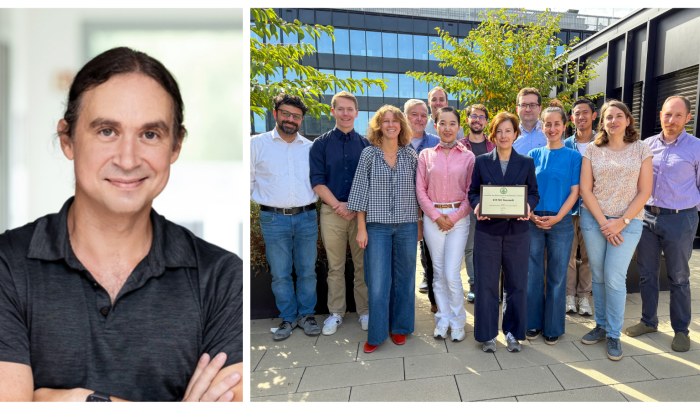
Dr. Maria Ruiz-Castell (left) and Dr. Babul Hossain (right) from the LIH.
Dr Maria Ruiz Castel and Dr Babul Hossain from the Luxembourg Institute of Health (LIH) have investigated gender inequalities in health and healthcare in Luxembourg. Their conclusion is that, despite progress towards gender equality in employment and income, health and access to healthcare services remain unevenly distributed. This is particularly true for women in disadvantaged circumstances.


When medicine is primarily measured in men
Diseases and medicines have traditionally been researched and tested primarily in men. This can have serious consequences for women. Men and women differ in their symptoms, health problems, and needs. Although women are less likely to suffer heart attacks, they are more likely to die from them because the symptoms go unrecognised. Women are also less likely than men to be prescribed painkillers for the same level of pain. Illnesses can progress differently in women, medicines can have different effects, and their physical symptoms are more often attributed to psychological causes. These gender-specific differences in medical research, health and healthcare are referred to as the ‘gender health gap’.
More than biology: a complex interplay
“The differences in health and healthcare between men and women are stark,” concludes Dr Maria Ruiz-Castell, leader of the “Socio-economic, environmental health and health services (CARES)” research group at the Luxembourg Institute of Health (LIH).
According to current research, it is not only biological or psychological differences that are responsible for this: “Behind it lies a mix of biological and socio-economic factors, such as different life circumstances, education, income or migration background. All these factors interact, and this makes certain groups particularly vulnerable.”
A difference of 3 years: the Gender Health Gap in Luxembourg
In Luxembourg, too, gender makes a significant difference when it comes to health and healthcare. According to the World Health Organisation, women in Luxembourg spend, on average, more than 13 years of their lives in poor health – compared with just around ten years for men
This disparity is also confirmed by one of the first studies on the gender health gap in Luxembourg, which Dr Ruiz-Castell and co-author Dr Babul Hossain presented last year on behalf of the Ministry for Equality and Diversity. “The analysis reveals a persistent and multifaceted gender health gap in Luxembourg, with women generally having poorer health outcomes than men,” the study concludes.
What the Luxembourg study examined
The Luxembourg study examined differences between women and men in terms of physical health, mental health and the use of healthcare services. For example, participants were asked about severe pain, symptoms of depression, or a lack of treatment due to financial difficulties or waiting lists.
Across all aspects, the researchers focused on how gender interacts with age, education, migration background, social support and other living conditions, thereby influencing health and healthcare. The study was based on data from the European Health Interview Survey (EHIS) for the years 2014 and 2019. The data for Luxembourg was also compared with that of other European countries.
Particularly affected: older women and young women with low level of education
Across all questions, the women surveyed consistently reported poorer health than men. For example, women aged 65 and over with little social support were more than twice as likely to suffer from multimorbidity – that is, two or more chronic conditions – than men in the same age group. A similar pattern was observed among older women living alone.
Young women aged 15 to 24 with a low level of education reported depressive symptoms more than six times as often as young men with a low level of education.
Multiple disadvantages: when factors add up
These inequalities were exacerbated when combined with socio-economic and demographic factors. For example, women with a low level of education and women born in another EU country were significantly more likely to develop depressive symptoms than men of the same age from the same background.
Women were also significantly more likely than men to report that their healthcare needs were not being met – due to long waiting times and distance or transport problems. Women living alone, as well as those with low levels of education and little social support, struggled with this even more.
Possible causes: currently only hypotheses
But what exactly is the reason for this? Dr Hossain suspects that a combination of factors is at play here. For instance, women take on more childcare responsibilities and may, due to a lack of time, skip necessary doctor’s appointments.
Young female immigrants in particular are also often isolated and may be less able to rely on help from family and friends with transport and childcare for appointments. However, these are only assumptions – further studies would be needed to prove this.
The special case of Luxembourg: young, diverse and facing language barriers
According to the LIH study, the gender gap in depressive symptoms and unmet healthcare needs in Luxembourg was actually higher than the EU average in 2019. “This could be due to Luxembourg's unique demographic profile. The country has one of the youngest and most diverse populations in Europe, with a particularly high proportion of young immigrants and foreign workers”, says Babul Hossain.
Language barriers, a lack of health information and an uncertain residency status could make access to prevention or medical care more difficult and increase the vulnerability for depression symptoms.
What is needed now: More research, education and awareness
However, these are merely hypotheses. The authors are now working on updating the study using the latest figures from the 2025 European Health Survey. In a further study, they intend to compare Luxembourg’s gender health gap in detail with that of other EU countries. Further research is urgently needed, according to Dr Ruiz-Castell.
“We need to involve women more in clinical trials, raise awareness among doctors and teach women’s health in medical schools, but also raise awareness among the general public”, says the researcher. Recognising the typically female symptoms of a stroke or heart attack can save lives.
In the long term, the aim is to improve support for disadvantaged groups, thereby promoting well-being, employment and productivity, as well as social cohesion. “It’s a question of social justice,” says Maria Ruiz-Castell, “and that’s what drives us.”
Author: Britta Schlüter
Editor: Michèle Weber (FNR)